Showing posts with label Android. Show all posts

Micromax Canvas Tab P690 Android tablet with 3G and voice calling launched for Rs 8,999

Micromax Canvas Tab P690 Android tablet with 3G and voice calling launched for Rs 8,999

Micromax Canvas Tab P690 Android Tablet With 3G Support, 8-Inch Display Launched at Rs. 8,999

Micromax has offered a new budget to its Canvas Tab fleet,called the Micromax Canvas Tab P690, the slate is priced at Rs 8,999, and will be available via major brick-and-mortar stores and on e-commerce websites starting June 7th.
The Canvas Tab P690 with 8-inch HD (1280 x 800 pixels) display , runs on a 1.8 Ghz quad-core 4th gen Intel Atom processor with 1GB RAM and 8GB ROM with support for up to 32GB microSD cards.
The device runs Android 4.4 KitKat out-of-the-box and is upgradable to Android Lollipop. For imaging, the Canvas Tab P690 offers a 5MP(with HD video recording support) autofocus rear shooter and a 2MP front snapper. Connectivity options include 3G, Wi-Fi 802.11 b/g/n, Bluetooth 4.0, and GPS. It features a 4000mAh battery that’s rated to deliver up to 180 hours of standby time.
The Tab has really slim bezels, diamond cut edges and an unique metallic grey finish on a 7.8mm thin body, weighing 318 gms.Powered by a 4000 mAh battery, Micromax claims to offer a battery life of more than 180 hours on stand-by mode.
The Canvas Tab P690 is also being bundled with six free e-books on Kindle, a Saavn premium subscription for three months, a free six-month premium subscription to Truecaller, and access to unlimited movies for a month on Hello TV. To stay connected, users can access 3G, Bluetooth and Wi-Fi Connectivity, voice call support as well as OTG cable support.
As Micromax said, its “ONE TAB FITS ALL” on the block. Go & grab it.

Xiaomi to send 100,000 banned Redmi Note 3G Phones back to Hong Kong

Xiaomi to send 100,000 banned Redmi Note 3G Phones back to Hong Kong

Legal battle between Ericsson and Xiaomi likely to end after Xiaomi agrees to return 100,000 banned Redmi Note 3G Phones from India

On Monday, in a relief to Xiaomi, the Delhi High Court on Monday allowed the Chinese smartphone maker to return its Redmi Note 3G handsets on whose sale has been banned in India due to a patent dispute filed by Telefonaktiebolaget LM Ericsson.
Justice Mukta Gupta who was on the vacation bench finalized this judgement, and asked Xiaomi to return over 100,000 3G handsets to their point of origin in Hong Kong, after Swedish telecom Ericsson agreed to the arrangement.
The Court also directed Xiaomi to keep a proper inventory of the handsets, which are currently lying unused with Flipkart through which the Chinese company sells its phones under an exclusive arrangement.
Advocate Ajit Warrier, appearing on behalf of the Chinese firm, said its phones like Redmi Note, which run on a MediaTek processor, have been forbidden from sale in India by the high court. He further said that the company was only allowed by the court to sell its Qualcomm chipset-based phones. As a result, the other variety of phones are lying unused with Flipkart.
Redmi 1S, Mi 3, Mi 4 and Mi 4i which are equipped with Qualcomm chips are also very popular brands of Xiaomi.
The Delhi High Court in December 2014 had asked Xiaomi to stop selling of all their mobile phones. However, later Xiaomi filed a plea, and proved that only their Redmi 3G phones are using the Media Tek chip.
The legal battle between Ericsson and Xiaomi is expected to come to an end with Xiaomi agreeing to the decision of returning the banned 3G phones to Hong Kong.

BEST SMARTPHONES TO LOOK FORWARD TO IN 2015

Samsung Galaxy S7

Galaxy-s7
Samsung raised the standards of the Samsung smartphones in March when they launched the Samsung Galaxy S6 and S6 Edge. Now, fans of the devices have already started to speculate about the next Galaxy phone that is touted to be released by the end of 2015. If these rumours are to be believed, Samsung will feature a massive 30MP primary camera and a 10MP front camera with the device. The device is also rumoured to have a 5.5-inch Super AMOLED display with 8K resolution. The device may also include an 8GB RAM, according to the rumours. The processor might be a 64-bit Exynos processor. Following the Galaxy S6 line, we might see Samsung to releasing a Galaxy S7 Edge too. Some other features include Retina Scanning, Advanced Touch ID and Fast Charge technology.

Huawei Honor 7

huawei teaser
After Huawei launched the Honor 6 a year ago; the Honor series has been due for quite some time. A new teaser by Huawei indicates a launch of a new product on 8th June, which we think is most likely the Honor 7. The teaser showed a nicely drawn banner with the date and a quote that read ’Imagination is Everything’. According to TENAA, there will be two variants of the 5-inch full HD Honor 7 and will be powered by an in-house Kirin 935 chipset. One of the variants will have 3GB of RAM and 16GB of storage, and the other will have 4GB of RAM and 64GB of memory. Not many details were revealed about the device for now.

OnePlus Two

oneplus-two
OnePlus One was one of the most successful Chinese electronic startup stories of 2014. This handset captured an enormous chunk of the mid-segment smartphone market. OnePlus announced a new device on June, which is expected to be the next OnePlus handset. As per thedetails leaked by the company CEO Liu Zuohu, OnePlus Two will run on Snapdragon 810 chipset along with 4GB RAM. A 5.5-inch 2K display will enhance the viewing experience of the user. There is a high possibility of OnePlus Two running on Cyanogen OS, as the differences between Cyanogen and the Chinese smartphone firm have been sorted out. In the major disclosure yesterday, OnePlus’ Zuohu spilled the beans on the release time of OnePlus Two. The much-awaited device will make a debut in the third quarter of this year. India will be one of the first countries to see the launch of the next probable flagship killer.

Mi5 and Mi5 Plus

Xiaomi-Mi5
Reports from Gizmochina claim two more devices will be joining Xiaomi’s line-up later in June 2015. These devices are larger copies of the Mi 4, expected to be named Mi 5 and Mi 5 Plus. The claimed specs of the devices were leaked on the Chinese social media site, Weibo. The Mi 5 is touted to have a 5.2-inch display with a resolution of 1440×2560 pixels. It is believed to be powered by the latest Qualcomm Snapdragon 810 chipset with either 3GB or 4GB RAM and will be juiced by a 3,000mAh battery. Its camera specification includes a 16MP primary camera.The device will also be infused with fingerprint technology. Its larger cousin, named as Mi 5 Plus, will feature a 6-inch screen with 4GB RAM, 32GB internal memory and a 16MP primary camera. No details were revealed about its processor, display, etc. Xiaomi has yet to announce the date of release, but reports mention that the two handsets will be out in June.

LG G5

LG-G5
Rumours say that LG is now working on the successor of the G4, and will be bringing iris recognition system into play. Reports from Korean publications state that LG has teamed up with local biometrics specialist Irience to implement this feature in its next smartphone. Reports also indicate that the phone will be released in the last quarter of 2015. For now, this is the only information we have found out.

Samsung Galaxy Note 5

galaxy-note-edge-official
After a year of the release of Samsung Galaxy Note 4, rumours of its successor have started to flow in. Considering their launch pattern, the Galaxy Note 4 successor may launch sometime in September this year. The Note 5 will come with a model number SM-N920F. It is likely to feature 5.4-inch or 5.5-inch Super AMOLED display with curves on both the edges. Let us remind you that the Note 4 was the first smartphone with which the curved edge display was included. Other rumours speak of a 5.9-inch screen with 4K resolution. The company has been preparing to venture into the 4K technology and the forthcoming Galaxy Note 5 may be the first to embed it. Other buzz suggests of a 16MP rear camera, 8MP secondary shooter, 4GB RAM and 16GB internal storage.

Apple iPhone 6S

apple iphone 6s
Hardly a few months after releasing the iPhone 6 and 6 Plus, rumours of the new iPhone models are already trickling in. According to Macrumors, Apple will be releasing two iPhones under the ‘S’ naming category, namely the iPhone 6S and iPhone 6S Plus. Apple will be concentrating more on internal performances rather than external looks. At most, Apple may add Pink colour iPhones to its lineup. According to rumours, the new devices will have a faster A9 processor, 2GB of RAM, a 12-megapixel camera, an additional microphone to enhance voice quality, and a new internal mechanical design to address some bending issues users experienced with the iPhone 6 and iPhone 6 Plus.

Samsung Galaxy S6 Mini and Galaxy S6 Plus

It seems like Samsung is on the move to expand its range of Galaxy line-ups. The Korean company is reportedly working on a smaller version and a larger version of the Galaxy S6 and S6 Edge, namely, Galaxy S6 Mini and Galaxy S6 Plus respectively. Both the rumours emerged this week.
According to GSMArena, the smaller version, Galaxy S6 Mini, or ‘SM-G9198′, the device will be an iPhone 6 competitor. It will have a 4.6-inch HD display and run on Snapdragon 808 chip with 2GB of RAM. It will be equipped with a 15MP primary camera and a 4.7MP front camera.
Samsung Galaxy S6 Mini
Meanwhile, Italy’s HDBlog revealed that the company is working on a bigger version, possibly a phablet, on the Galaxy S6 line. For now, the device has been codenamed as ‘Project Zero 2′. Interestingly, the S6 and S6 Edge were codenamed ‘Project Zero’. According to the rumours, the device will just be like the Galaxy S6, only bigger and with a more powerful battery.
Galaxy S6 Plus

Xolo Black

XOLO Black
On Wednesday, Xolo announced that they are working on a new handset named Xolo Black. This device will come with a dual camera set up that will be able to capture images and their dimensions in an instant, thus creating 3D images. The phone will come along with HIVE 1.5 or above, along with Android Lollipop, and its price is expected to come in the sub-Rs 15,000 segment. Not many details were revealed about the phone and it is said to launch in the month of June.

Microsoft Lumia 940XL

Microsoft Lumia 940XL
Microsoft had launched the Lumia 930 almost a year ago, and now, the company is back with its newest smartphone, the Microsoft Lumia 940XL. According to NokiaPowerUser, the device is a larger version of the Lumia 940. The device is expected to have a bigger 5.7-inch display with a slim design and a metal frame. The processor will feature a Qualcomm Snapdragon 810 processor paired with 3GB of RAM and 32GB of internal storage, a microSD card slot for expandable storage, a 5MP front-facing camera, a 20MP main PureView camera for photos and videos, and will feature native pen support as well.Further, it will also support USB C-Type and an Iris Scanner too. The specs sound very exciting, but the company has not officially confirmed the existence of such a device.

Motorola Moto X (third-gen)

Motorola Moto X (third-gen)
Motorola may launch the third generation of its flagship Moto X smartphones in the coming few months. According to STJS Gadgets, the third-generation Moto X is leaked by a Motorola insider, who claims to have a hold of details about the next Moto X. The upcoming smartphone on the Moto X series will sport a 5.2-inch QHD AMOLED display, used on the Droid Turbo. Under the hood will be a Snapdragon 808 chipset bundled with a massive 4GB RAM. The device will come pre-installed with Android 5.1.1 Lollipop.The front camera will be 5MP while the back will house a 16MP snapper with Clear Pixel Technology. The battery powering the device will also be mammoth at 3280mAh. The device will come in two storage variants – 32GB and 64GB.

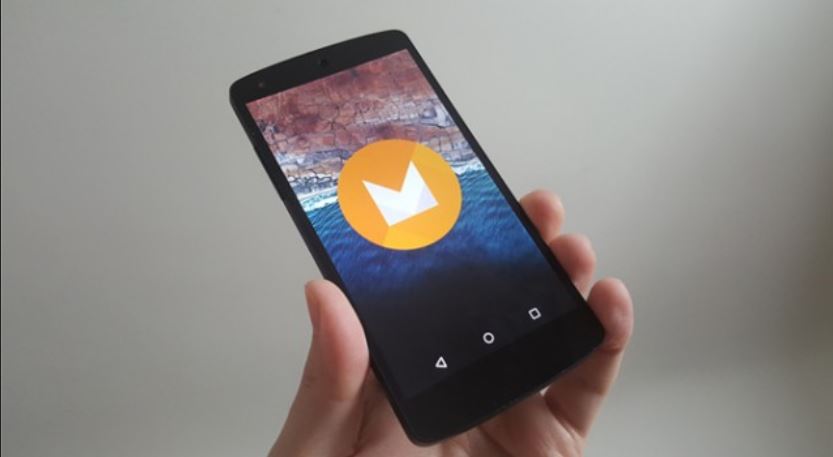
Biggest Improvements and New Features in Android M (#io15)

android-m
At the Android M launch event from the Google I/O 2015, Dave Burke, vice president of engineering at Google highlighted the six major changes and new features that are expected to make a mark in Android M.
Let’s take a look at them one by one:

Web experience using Chrome Custom Tabs:

The web usage on phones was one of the major improvement areas in Android Lollipop and Google continues to focus this area again in Android M. Chrome Custom Tabs is a new feature that will enable the developers to utilize all capabilities of Chrome browser. This will be done along with maintaining the looks and feel of the overall experience.
This Chrome Custom Tabs allows applications to open a special custom window of Chrome over the active app. This supports password saving, automatic sign-in, auto-fill feature and other security issues.
This prevents the launching of Chrome browser separately to provide a faster experience.

Native fingerprint support:

Phone manufacturers have launched the fingerprint support in the past but with Android M, Google is bringing the standardize fingerprint support for scanners on phones.

Redesigned app permissions:

One of the biggest changes in Android M is the redesigned app permissions system. Now with Android M, users will have the power to approve and deny security permissions like location and camera for apps.
The new simplified permission system won’t have fuss of senseless app permissions. You will have a greater control over the apps and information it can collect. Now your Android won’t ask your permission with every update.

Power and charging improved in Android M:

There were some battery performance related issues with Android Lollipop and Google wants to make the amends with improvements in Android M.
With a brand new feature called Doze, Google will improve the device standby time by managing the system background processes in a better way. This intelligent feature makes use of motion detection and shuts down the processes when your Android devices hasn’t seen any movement or activity for a period of time.
Google claims that Doze has improved the standby time of Nexus 9 tablet by two times as compared to Lollipop.

App linking system known as “intents” improved:

Android’s very own app linking system – intents – will be improved in Android M. Now applications will open the content directly instead of prompting users with a dialog box each time. For example if you will click a Twitter link in an email, your Twitter app will directly open instead of asking your permission to use Twitter to view it.

Android Pay:

Google is launching a new payments system called Android Pay that will use Host Card Emulation and NFC for tap-to-pay services. It’s safe to say that Android Pay will replace the existing Google Wallet app and will be inherently integrated into the apps for in-app payments.
Google says that this will provide simplicity, security and choice to the users. This will be supported by America Express, Visa, Mastercard and Discover, and will come pre-installed on Verizon, AT&T and T-Mobile devices.

Other improvements in Android M:

The other major improvements in Android M are as follows:
  • A new RAM manager in Android M
  • New app drawer system in M
  • Automatic restore and backup of applications
  • Improvements in Google Now making it smarter
  • Adoptable Storage Devices that treats external storage like internal storage space
  • Improvements in Google Chrome and new Google Photos service
Google aims to solve the little but important usability hassles in Android with Android M. Google calls it the “most polished Android release to date.”

How to Download and Install Android M on Your Nexus Device

From the stage of Google I/O 2015, the technology company announced the latest version of world’s most popular mobile operating system i.e. Android M. While the final release date of Android M is miles away, Google has released the developer preview of Android M.
If you own a Google Nexus 5, Nexus 6, Nexus 9 or Nexus Player, you can download the preview today and install the build on your device.
Note:
This is a raw build of Android M and it’s bound to have some bugs that will be addressed by Google later as the testing phase proceeds. So fossBytes advises you to install the Android M Developer Preview on a device which isn’t of your daily use. Make sure to make a complete a backup of your devices.

How to download and install Android M?

  1. Download and install the latest Android Studio Preview on your Windows machine as it will install Fastboot and ADB tools. You can access them using the command terminal on your computer.
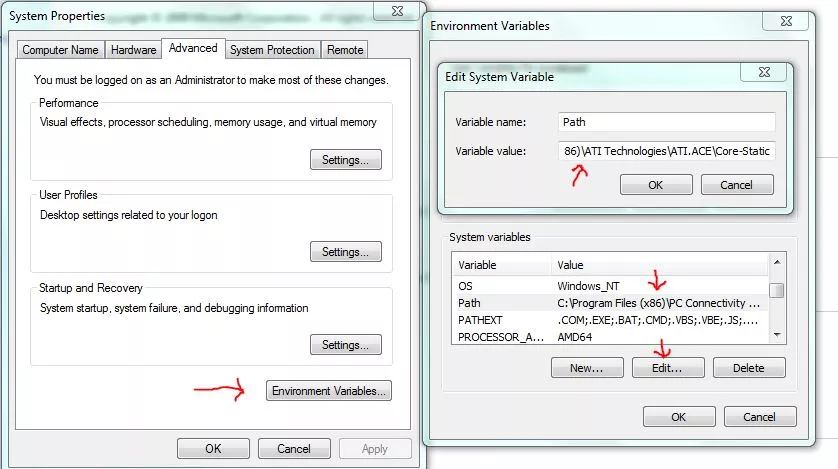
  2. Now you need to add the SDK folder and specify its path using the steps below:
  3. In your PC, right click on My Computer and go to Properties.
  4. Go to Advanced System Settings followed by System Properties > Advanced > Environment Variables.how-to-install-android-m
  5. In the Environment Variables window, select Path and click on Edit. Type the name of directory path where the SDK is installed. Don’t forget to add semicolon separating the entries.
  6. Now enable the USB debugging on your system. Go to Settings > About Phone > Software information. Enable it by tapping the Build Number seven times.
  7. Go to Settings > Developer options and select USB debugging.
  8. Now download the Android M factory images for your device from the links given below:
  1. Now it’s time to extract the downloaded Android M archive.
  2. Connect the device using the USB connection.
  3. Start your device in fastboot mode. This could be done easily while pressing a key combination while the device powers up. Know about them here.
Another way to fastboot your device is to use ADB tool. With the device connected, execute this command using command terminal: adb reboot bootloader
If there are some issues with device’s bootloader, unlock it using this command in terminal:fastboot oem unlock
Now we’ll install the Android M developer preview on Nexus:
  1. Find the unzipped Android M factory image by opening a command terminal.
  2. Now execute flash-all.bat which could be found in the extracted image.
  3. For security purposes, Google advises to lock the bootloader by this command: fastboot oem lock
Now Android M preview is installed on your Nexus device. Your device will get monthly over-the-air updates.
To uninstall Android M preview and go back to the previous Android version, download the factory images from this page and repeat the above steps. Don’t forget to clear the files from Fastboot and ADB that were added earlier.